



Ready to explore
At Radys, we take our own path in developing sustainable functional clothing. As experienced outdoor athletes and textile experts, we focus on a limited collection of durable products that consistently impress with precise fit, advanced technologies, and environmentally friendly manufacturing.
Modular Layering System
Our innovative mountain sports clothing is developed in the Swiss Alps, is universally applicable, and can be perfectly combined. The well-designed Modular Layering System makes it easy for you to put together the right outfit for any weather condition and activity.


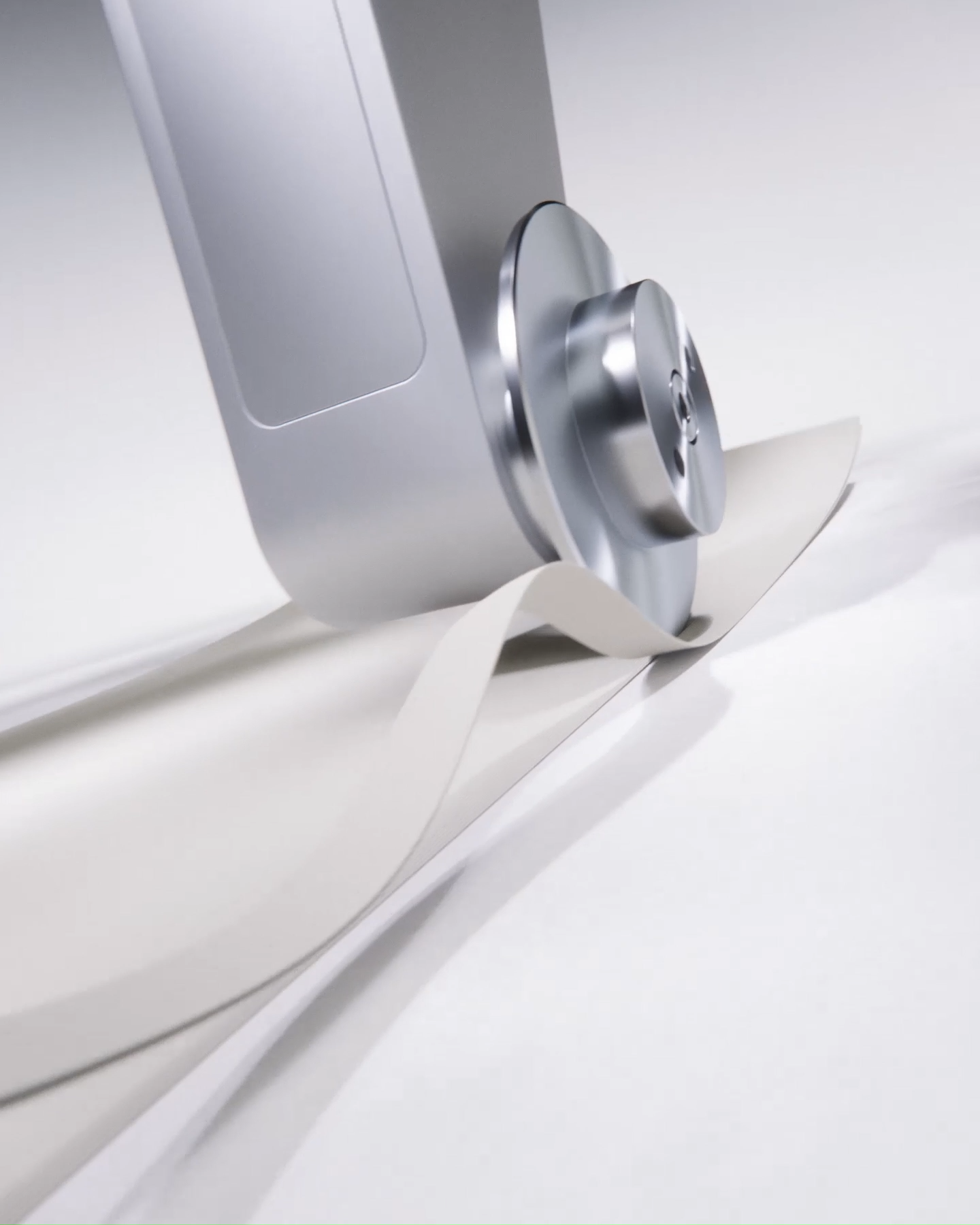
R'Sonic - Kissbonding Technology
Layers of fabric can be cut and welded together using an ultrasound-activated wheel. After unfolding, the kissing seam inside is permanently reinforced with a fabric tape, resulting in ultra-flat and elastic fabric joints.
Stories, Guides and Information

PFAS and PFC: What are they, and why is it important to be PFAS/PFC-free?
Rain rolls off. Snow does not stick. Dirt can simply be wiped away. For a long time, fluorinated chemicals were considered the ideal solution for permanently protecting outdoor clothing from water, oil, and dirt. The problem: Many of these substances remain not only on the jacket for a long time, but also extremely long in the environment. That is why terms such as PFC-free or PFAS-free are increasingly common on outdoor products today. But what do these abbreviations mean? Are PFC and PFAS the same thing? And can a Hardshell without these substances reliably protecting against rain at all? We clarify the terminology and explain why RADYS switched to PFC-free water repellency at an early stage. What are PFAS? PFAS stands for per- and polyfluoroalkyl substances. It does not refer to a single chemical, but to a very large and diverse group of substances. PFAS have been used for decades in numerous industrial processes and consumer goods. They can be found, for example, in certain coatings, food packaging, firefighting foams, pans, and textiles. The reason for their widespread use lies in their special properties. Many PFAS are resistant to: Water Oil and grease Dirt Heat chemical influences These properties are due, among other things, to very stable carbon-fluorine bonds. This very stability makes PFAS technically interesting and environmentally problematic. What does PFC mean? The term PFC was long used in the outdoor and textile industries as a collective term for fluorinated chemicals. This is why many products and older sources refer to PFC-free water-repellent finishes. Today, the term PFAS is used more frequently. It is scientifically and regulatorily more precise and covers a large group of per- and polyfluoroalkyl substances. In the context of outdoor clothing, the terms PFC-free and PFAS-free usually convey the same basic message: water-repellent performance is to be achieved without the problematic fluorinated chemicals. Even so, it is worth taking a closer look. Some statements refer only to the impregnation of the outer fabric, while others refer to the membrane used or the entire product. Transparent information about the respective technology is therefore important. Why were PFAS used in outdoor clothing? In weatherproof clothing, fluorinated chemicals were used primarily for the durable water-repellent finish of the outer material. The abbreviation DWR is often used for this. It stands for Durable Water Repellent. This treatment causes water to form droplets and roll off the surface. As a result, the outer fabric absorbs less water, stays lighter, and feels more comfortable. The distinction is important: The treatment makes a Hardshell not waterproof on its own. The membrane, seam construction and the design of the garment are primarily responsible for actual waterproofness. The treatment supports this function by preventing the outer fabric from becoming saturated with water too quickly. Why are PFAS considered problematic? The exceptional persistence of these substances has a downside. Many PFAS break down in nature little, if at all, or only very slowly. That is why they are often referred to as forever chemicals. Once PFAS enter the environment, they can spread through water and soil. Some substances can also accumulate in humans, animals and food chains. Removing them from contaminated water or soil afterward is technically complex and expensive. PFAS comprise a large group of substances, and not all of them have been studied equally well or assessed in the same way. However, negative effects on the environment and human health have been identified for several well-known representatives. For four particularly well-studied PFAS, the European Food Safety Authority considers a reduced immune response to vaccinations to be a critical health effect. The fundamental problem remains regardless of individual substances: What does not break down for a very long time can spread through the environment over generations and remain there. How do PFAS enter the environment? The release can occur during various phases of the product life cycle: during the manufacture of the chemicals during the production and finishing of textiles through use, abrasion and washing during disposal or incineration through contaminated wastewater and production sites The individual jacket is only one part of a much larger overall picture. PFAS are used in numerous applications. That is precisely why it is important to avoid fluorinated chemicals wherever effective alternatives are available. Does PFC-free mean less weather protection? No. A PFC-free treatment can still reliably repel water. However, it must be correctly matched to the material and regularly maintained. We point out to be open about a small difference: A PFC-free treatment repels oil less effectively than a conventional fluorinated finish. For mountain sports clothing, this is hardly relevant in most situations. Protection from rain, snow and moisture is what matters. With a hardshell, reliable weather protection is made up of several components anyway: a waterproof and breathable membrane functionally constructed seams matching zippers and finishes a water-repellent treatment of the outer fabric a well-designed hood and cut construction PFC-free therefore does not automatically mean less performance. It means achieving the necessary functionality with a more responsible chemical solution. The RADYS approach: PFC-free since 2014 We switchedn switched the entire collection to PFC-free water repellency as early as 2014. This made usn we among the early pioneers of the outdoor industry. With the weather protection layers usewe a PFC-free treatment that makes water bead off without using problematic forever chemicals. The principle behind this is clear: functionality and sustainability should not be played off against each other. A jacket must perform reliably in the mountains while also being designed to minimize its impact on the environment. PFC-free clothing also needs care Every water-repellent treatment loses effectiveness over time due to friction, dirt, and frequent use. This also applies to PFC-free treatments. If water no longer beads off cleanly, this does not automatically mean that your jacket is leaking. It often first needs to be cleaned properly or reproofed. Follow these basic rules: check the care label use a special detergent for technical clothing avoid fabric softener rinse out detergent residue thoroughly RADYS hard- and softshell products air-dried a PFC-free one when needed waterproofing spray use Proper care preserves the product's functionality and extends its lifespan. This, too, is an important part of sustainable outdoor clothing. Should I dispose of older outdoor clothing with fluorinated treatment? You should not throw away a jacket that is still working properly too soon. In many cases, using, caring for, and repairing a product for as long as possible makes more sense than buying a new one immediately. When you need to buy something new, look specifically for transparent information such as PFC-free treatment and a PFAS-free membrane. This supports technologies that can do without persistent fluorinated chemicals in the long term. Responsibility starts with the material PFAS have long made outdoor clothing more effective. However, their extreme persistence is also their greatest problem. What reliably repels rain, oil, and dirt does not simply disappear after use. PFC-free treatments show that reliable weather protection is possible even without these forever chemicals. With the PFAS-free R’Tech With Nano Membrane, RADYS goes one step further, combining innovative membrane technology with a consistent commitment to the environment. Because true performance is not only about how well a product works today. It is also about the traces it leaves behind tomorrow.

Waterproof or water-repellent: What’s the difference?
The weather app shows a few clouds. Yet the horizon is getting darker and darker. Is the softshell enough now, or does the hardshell belong in your backpack? When buying outdoor clothing, you encounter terms such as waterproof, water-resistant and water-repellent. They sound similar, but they do not mean the same thing. Especially in prolonged rain, this difference can determine whether you stay dry or finish your trip in wet clothing. We explain what these terms really mean, the role played by the hydrostatic head and when the R1 Hard Shell Layer or the R2 Soft Shell Layer is the right choice at RADYS. Water-repellent and waterproof These terms describe different levels of protection. What matters is not just the material but the entire construction of a garment. Water-repellent With a water-repellent material, water droplets initially bead off the surface. This is usually achieved through a treatment. It provides protection in drizzle, light snowfall and brief showers. However, this effect is limited in duration. In prolonged or heavy rain, water can penetrate the outer fabric. Abrasion, dirt and frequent wear also reduce the beading effect over time. Water-repellent materials are often especially breathable, stretchy and comfortable to wear. That is precisely where their strength lies. Waterproof Waterproof clothing is designed to keep you dry even in heavy or prolonged precipitation. This generally requires a waterproof membrane as well as appropriately finished seams and transitions. A good hardshell keeps rain and wind out while allowing water vapour to escape from the inside to the outside. This protects you from external moisture without completely trapping the moisture produced during an ascent. What does the hydrostatic head indicate? The hydrostatic head indicates the water pressure a material can withstand before moisture penetrates it. It is measured in millimetres. In principle, the higher the rating, the greater the protection against water pressure. This is caused not only by rain. A backpack strap, sitting on wet ground or strong wind can also exert additional pressure on the material. The hydrostatic head is important, but it does not tell the whole story. For reliable protection from the elements, the seams, zippers, hood and closures must also be functionally designed. At the same time, the highest rating is not automatically the best choice for every trip. In dry conditions, freedom of movement, air circulation and comfort can be more important than maximum protection from rain. 5,000 mm: sufficient for everyday use and light rain 10,000 mm: good protection in moderate rain and brief showers 15,000–20,000 mm: ideal for longer mountain tours and heavier rain 25,000 mm and more: suitable for extreme conditions (expeditions, ice climbing) R1 Hard Shell Layer: When you need reliable weather protection The RADYS R1 Hard Shell Layer is the outermost protective layer of the Modular Layering System. It is waterproof, windproof, breathable, and robust. One example is the R1 Hiking Tech Jacket. Its three-layer R’Tech Hiking material consists of polyamide with a PU membrane. It achieves a water column rating of 20,000 millimeters and breathability of 40,000 g/m²/24h. This means the jacket provides reliable protection from rain and wind, while water vapor can be transported outward. The R’Sonic construction also ensures flat, elastic, and durable fabric connections. An R1 Layer is part of your equipment when: prolonged or heavier rain is possible you are traveling in exposed terrain snow, wind, or rapid weather changes are expected your tour lasts several hours or days reliable weather protection is more important than maximum breathability Even if the sun is shining at the start, the lightweight hardshell can belong in your backpack as a safety reserve. Conditions often change faster than expected, especially in the mountains. R2 Soft Shell Layer: For movement, comfort, and breathability The RADYS R2 Soft Shell Layer takes a different approach. It is wind- and water-resistant, elastic, and designed for high levels of climate and movement comfort. The RADYS R’Shell softshell fabrics are double-layer fabrics without an integrated membrane. This keeps air exchange particularly comfortable. Light precipitation initially beads off, but the R2 Layer is not a substitute for a waterproof hardshell in prolonged or heavy rain. The R2 Hiking Softshell Jacket, for example, is made from an elastic R’Shell Hiking material and is 80 percent wind-resistant. The R2 Alpine Softshell Jacket also combines water- and wind-resistant materials with strategic ventilation and a temperature-regulating Merino-Knit-Lining. An R2 Layer is particularly suitable when: conditions are predominantly dry you move intensely and generate a lot of body heat a brief shower or light snowfall is possible freedom of movement is particularly important you want protection from the wind without compromising high breathability For hikes, fast ascents, and ski tours in stable conditions, the softshell is therefore often the more comfortable primary layer. The best solution is often not R1 or R2, but R1 and R2 The RADYS Modular Layering System is designed so that the individual layers can be combined flexibly. In dry conditions, wear the R2 Soft Shell Layer as a comfortable outer layer. If the rain gets heavier or the weather becomes unpredictable, put the R1 Hard Shell Layer on top. This means you do not have to commit to one setup for the entire day in the morning. You can adapt your protection to the temperature, intensity and weather. This is especially useful on longer mountain tours: During the ascent, R2 provides freedom of movement and comfortable air circulation. On a windy ridge, R2 provides additional protection against cooling down. When continuous rain sets in, R1 provides complete protection from the elements. During a break, you can add further insulating layers depending on the temperature. Each layer has a clear purpose. Together, they create a flexible system that not only protects you but also reduces unnecessary sweating. Three common misconceptions 1. Waterproof is always better Not necessarily. A waterproof hardshell offers greater protection from precipitation, but during intense activity and in dry conditions it may feel less airy than a softshell. The best jacket is the one that suits the activity and the weather. 2. If water beads up, the jacket is waterproof The beading effect primarily shows that the water-repellent treatment is working. Even a non-waterproof softshell material can initially repel water. Whether a garment is truly waterproof depends on its overall construction. 3. A high hydrostatic head is enough as a quality feature The hydrostatic head measures the material under water pressure. In practice, however, breathability, seam construction, zippers, hood, fit and care are also crucial. Proper care matters too The water-repellent treatment is affected by dirt, sweat and friction. If water no longer beads up, the jacket is not necessarily leaking. The surface often just needs cleaning or the water-repellent treatment needs to be renewed. Wash R1 and R2 products with a special membrane detergent, avoid fabric softener and always follow the care label. RADYS recommends air-drying hard- and softshell products, as well as regularly renewing the PFC-free water-repellent treatment. The right protection for the right conditions Waterproof and water-repellent are not competing levels of quality. They serve different purposes. The R1 Hard Shell Layer provides reliable protection when rain, snow and wind leave no room for compromise. The R2 Soft Shell Layer comes into its own when freedom of movement, breathability and comfort are the priority. Using both correctly does not simply mean maximum protection, but the right protection. That is precisely what RADYS' Modular Layering System is all about.

How to wash your hardshell jacket properly
How do I wash my hardshell jacket correctly? Dirt on the hem, salt marks on the collar, and sweat on the inside: A hardshell jacket has to withstand a lot outdoors. At some point, the question arises whether the jacket can go in the washing machine. The short answer is: Yes. It should actually be cleaned regularly. Dirt, sweat, skin oils, and detergent residue can impair the material’s performance. Washing it correctly helps maintain breathability and extend the life of your jacket. What matters is not whether you wash your hardshell, but how you do it. Why does a hardshell need to be washed at all? A hardshell protects you from wind and precipitation. At the same time, its membrane allows moisture in the form of water vapor to escape to the outside. For this interaction to work, the material and surface must remain free of dirt and residue. Over time, sweat, skin oils, and dust accumulate, especially around the collar, hood, cuffs, and beneath backpack straps. The water-repellent treatment on the outside is also put under strain by use and friction. If rain no longer beads off, the outer fabric increasingly becomes saturated with water. The membrane may still be waterproof, but the jacket feels heavier and less breathable. Washing is therefore not the enemy of your hardshell. Incorrect care is. When is it time to wash it? There is no fixed washing schedule that works for everyone. How often your jacket should be cleaned depends on how intensively you use it. It is time to wash it when: · the jacket is visibly dirty · it smells unpleasant · sweat or salt marks appear · the outer fabric absorbs water instead of letting it bead off · you have worn the jacket during several intensive tours You do not need to wash your hardshell after every use. However, after a strenuous multi-day tour, cleaning it makes more sense than leaving the dirty jacket hanging in the closet for months. Step 1: Check the care label Before you start, check the care label. Its instructions always take priority, as materials, membranes, and construction may vary depending on the model. The following steps generally apply to RADYS hardshells made from the R1 Layer. If you are unsure, follow the care instructions for the respective product or contact RADYS directly. Step 2: Prepare the jacket Good preparation protects the jacket from unnecessary friction and prevents damage during the wash cycle. Before washing, you should: · Empty all pockets completely · Close the front and pocket zippers · Close the underarm vents · Fasten the hook-and-loop closures and snap fasteners · loosen the drawcords · carefully shake off or brush away loose dirt · turn the jacket inside out Also make sure that no fabric softener or conventional detergent residue remains in the detergent drawer. If necessary, briefly rinse out the drawer and run the machine empty beforehand. Step 3: Use the right detergent For your hardshell, you need a liquid specialist detergent for membrane or technical clothing. It cleans the material without unnecessarily compromising its technical properties. Avoid the following completely: · fabric softener · bleach · optical brighteners · harsh stain removers · powder detergent Fabric softener can coat the fibers and impair breathability. Detergent residue is also problematic. Therefore, use only the recommended amount and do not follow the principle that “more is better.” Step 4: Wash gently Wash the hardshell at the temperature indicated on the care label. In many cases, 30 degrees and a gentle cycle such as delicates or easy-care are the right choice. Choose a low spin speed and give the jacket enough room in the drum. An overfilled washing machine prevents it from being rinsed clean. After the actual wash cycle, thorough rinsing is particularly important. Detergent residue can impair breathability. Therefore, use an additional rinse cycle whenever possible. In brief: · temperature according to the care label, often 30 degrees · gentle or delicate wash cycle · low spin speed · use detergent sparingly · at least one thorough rinse cycle Step 5: Air-dry For hardshell and softshell products from the R1 and R2 layers, we recommend avoiding the tumble dryer. High heat can impair the material’s functionality. After washing, hang your jacket on a sufficiently wide hanger and let it air-dry completely. Choose a well-ventilated place away from direct sunlight and not immediately next to a heater. Make sure that the pockets, hood, cuffs, and seams are also completely dry before storing the jacket. Step 6: Check the impregnation The membrane provides waterproofness. The impregnation on the outer material ensures that water beads up and prevents the fabric from becoming saturated too quickly. You can test whether the impregnation is still working with a few drops of water: · If droplets form and roll off the fabric, the impregnation is still active. · If water soaks into the outer fabric and forms dark spots, the impregnation should be refreshed. RADYS recommends renewing the PFC-free impregnation approximately every two to three washes. However, the actual condition of the jacket is also decisive here. How to waterproof your hardshell properly Use an environmentally friendly, PFC-free waterproofing spray suitable for technical performance clothing. Apply it evenly to the clean jacket according to the manufacturer’s instructions. Treat areas subject to particular wear with care: · Shoulders and upper back · Hood · Chest area · Sleeves and cuffs · Areas beneath the backpack straps Remove any excess product and then let the jacket air-dry completely again. Follow both the jacket’s care label and the instructions for the waterproofing product. The most common mistakes when caring for a hardshell 1. Washing the jacket as rarely as possible Many people believe that every wash damages the membrane. However, if sweat, skin oils, and dirt remain in the material permanently, they can also impair its performance. Wash the jacket as often as necessary and as gently as possible. 2. Using regular all-purpose detergent Conventional detergents may contain additives that are unsuitable for technical materials. A special membrane detergent is the better choice. 3. Adding fabric softener What provides a soft feel with everyday laundry can impair breathability in technical clothing. Fabric softener should therefore never be used when washing a hardshell. 4. Not rinsing enough Residual detergent can impair the material’s performance. An additional rinse cycle is a small step with a big impact. 5. Put the jacket in the dryer Care recommendations may vary depending on the brand and material. For RADYS R1 and R2, the following applies: air-dry and avoid high heat. How to store your hardshell properly A little care is also worthwhile after washing. Only put your jacket away once it is completely dry. Hang it loosely on a wide hanger and store it in a dry, cool place protected from light. Avoid storing the jacket heavily compressed or damp in your backpack for extended periods. After your trip, unpack it again as soon as possible and hang it up to dry. You should have minor damage repaired at an early stage. A tiny tear is easier to fix before it becomes a bigger problem on your next trip. Well cared for. Ready for more. A high-quality hardshell is made for many years and many adventures. Proper care not only preserves its weather protection and breathability, but also extends its lifespan. This conserves resources and ensures that you can continue to rely on your gear in rain, snow, and wind. Wash your hardshell with the right specialist detergent, rinse it thoroughly, let it air-dry, and renew the water-repellent treatment when needed. This way, it will be ready the next time the weather doesn’t cooperate.
Flagship Store
Our flagship store in Solothurn is the central destination for the entire Radys collection.
Here, you can experience our latest collection up close, benefit from our expert advice, and find the perfect outfit for your next adventure.

Technology - engineered in Switzerland
Our Bestsellers


R1 Down Tech Jacket Women | Ash


R1 Down Tech Jacket Women | thyme leaves


R1 Free Mountain Tech Jacket Women | shadow blue


R1 Free Mountain Tech Jacket Women | Plum


R1 Insulated Tech Jacket Women | Cedar


R1 Insulated Tech Jacket Women | Thyme Leaves


R1 Insulated Tech Jacket Women | Mahogany


R1 Tech Jacket Women | grape


R1 Tech Jacket Women | pearl


R1 Tech Jacket Women | Navy


R1 Tech Jacket Women | blush


R1 Free Mountain Tech Pants Women | Navy


R1 Down Tech Jacket Men | thyme leaves


R1 Down Tech Jacket Men | ash


R1 Free Mountain Tech Jacket Men | navy


R1 Insulated Tech Jacket Men | Yale Blue


R1 Insulated Tech Jacket Men | Artichoke


R1 Insulated Tech Jacket Men | Thyme Leaves


R1 Tech Jacket Men | Norfolk Green


R1 Tech Jacket Men | black


R1 Tech Jacket Men | navy


R1 Tech Jacket Men | Moss


R1 Tech Jacket Men | cedar


R1 Free Mountain Tech Pants Men | navy


R1 Hiking Tech Jacket Men | signal red


R1 Alpine Tech Jacket Men | elm green


R5 Fusion Shirt Long Women | Heather


R4 Alpine Stretch Fleece Vest Women | navy


R4 Alpine Windblock Jacket Women | Navy


R5 Mint Scenic T-Shirt Women | signal red


R5 Mint Scenic T-Shirt Women | dust


R5 Light Merino Saentis T-Shirt Women | sorbet


R5 Light Merino Saentis T-Shirt Women | navy


R5 Light Merino Saentis T-Shirt Women | Mauve


R5 Light Merino Flower T-Shirt Women | signal red


